
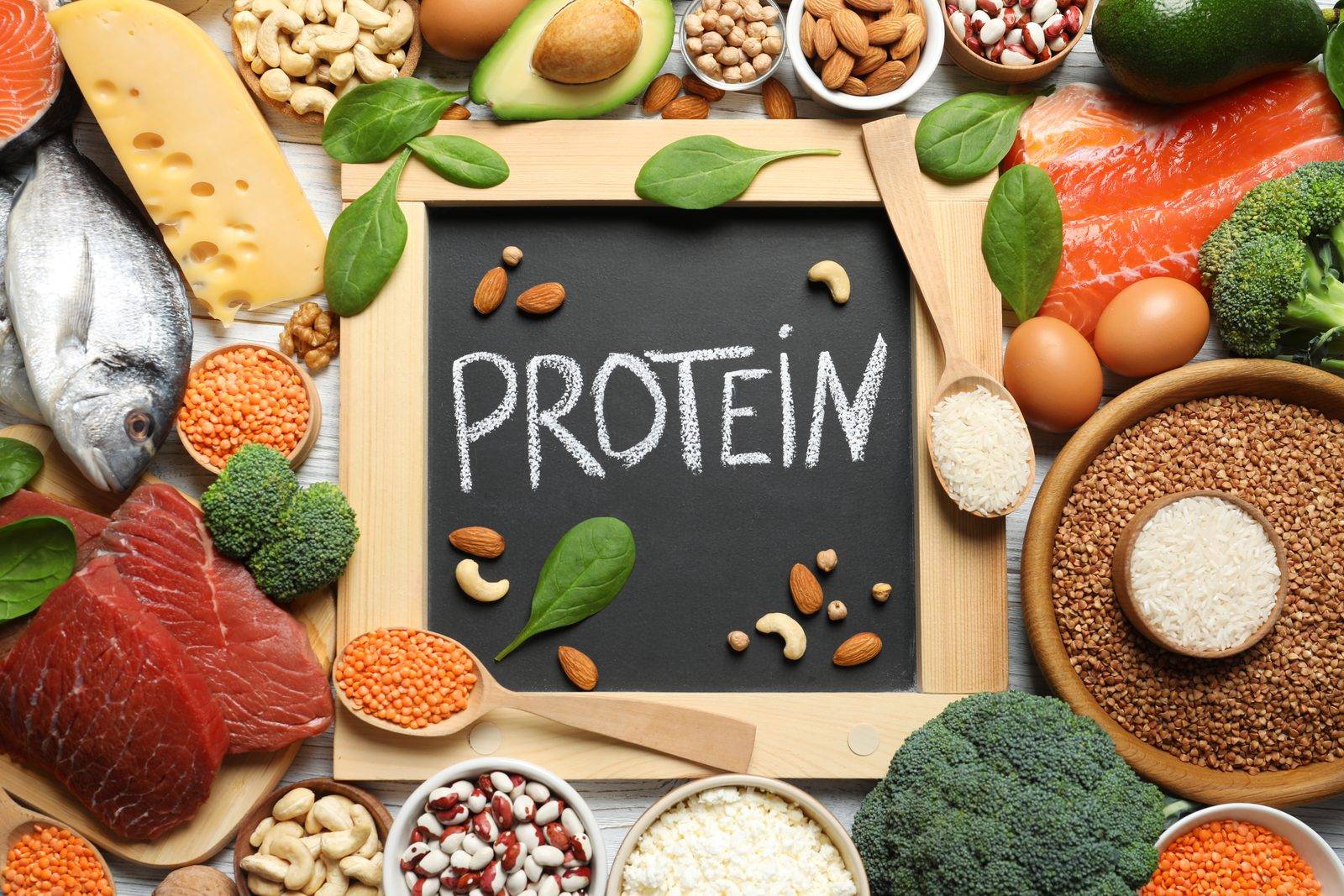
Protein is everywhere right now. Protein coffee, protein chips, protein pasta…even fast food chains have “high protein” menus. It’s one of the most-searched nutrition topics in Northeast Ohio, and for good reason. But with all that noise, most people still can’t answer a simple question: how much do I actually need?
Let’s clear it up.
What Protein Actually Does
Protein is the building block for muscle, bone, skin, hair and the enzymes that keep your body running. Every time you train, you create small amounts of damage in your muscles. Protein is what your body uses to repair that damage and come back a little stronger.
Not enough protein and you’re training hard while leaving the results on the table.
The Numbers (Without the Math Headache)
The government’s baseline, the RDA, is 0.8 grams per kilogram of body weight. That’s the minimum to avoid deficiency in someone who isn’t very active, not the target for someone who trains.
For people who exercise regularly, the International Society of Sports Nutrition recommends 1.4–2.0 grams per kilogram per day for building and keeping muscle.
Here’s the simple version:
- Multiply your body weight in pounds by 0.7. That’s a solid daily target for most people who train 3–5 days a week.
- Want to build more muscle or lose fat without losing strength? Push it closer to 0.8–1.0 grams per pound of your goal body weight.
- Example: A 180 lb person aiming for 0.7 g/lb needs about 126 grams of protein a day.
If that number feels huge, don’t panic. You don’t have to hit it on day one.
Spread It Out
Your body uses protein best in doses. The same ISSN position stand suggests 20–40 grams per meal, spread every 3–4 hours. So instead of a tiny breakfast and a giant steak dinner, aim for 3–4 meals with a real serving of protein in each.
That looks like:
- Breakfast: 3 eggs + Greek yogurt (about 35g)
- Lunch: Chicken salad or a turkey wrap (about 35g)
- Snack: A protein shake (20–30g)
- Dinner: A palm-to-hand-sized portion of lean meat or fish (about 35g)
That’s 125+ grams without anything fancy.
Best Protein Foods
You don’t need a specialty store. Some of the easiest wins:
- Animal sources: chicken breast, lean ground beef or turkey, eggs, fish, Greek yogurt, cottage cheese, milk
- Plant sources: lentils, beans, tofu, edamame, tempeh, seitan
- Quick fixes: protein shakes, jerky, protein bars (check the label…some are candy bars in disguise)
If you’re curious about shakes, we broke down every type in an earlier blog called What Is the Best Type of Protein Powder?
Common Questions
Is too much protein bad for my kidneys? For healthy, active adults, the research says protein in these ranges isn’t harmful. If you have kidney disease or another medical condition, talk to your doctor first.
Do I need protein right after a workout? The “anabolic window” is bigger than gym legend says. Getting enough protein across the whole day matters far more than chugging a shake within 30 minutes.
I’m a woman, will protein make me bulky? Nope. Protein helps you recover, stay full and keep the muscle that gives you that strong, toned look.
Start Simple
Pick one meal this week and add 20–30 grams of protein to it. Next week, do the same with another meal. Small, boring wins stacked over time beat any fad.
If you’re not sure where to start, our coaches talk nutrition with members every day. And if you’d rather have someone else handle the cooking, check out our friends at Bites Meal Prep.