
GLP-1 medications like Ozempic, Wegovy, and Zepbound have exploded in popularity because they appear to offer something everyone wants: significant weight loss without the struggle traditionally associated with dieting and exercise.
The results can be dramatic. People lose 20, 30, 50, or even 100 pounds. The scale moves quickly, and before-and-after photos flood social media.
But there is an important question that often gets overlooked:
What exactly is being lost?
The goal should never be simply to lose weight. The goal should be to become healthier, stronger, and more physically capable. Unfortunately, those are not always the same thing.
The Bone Density Risk Nobody Is Talking About
Everyone talks about how much weight GLP-1 users lose.
Almost nobody talks about what else may be disappearing at the same time.
A 2024 randomized clinical trial published in JAMA Network Open found that participants using a GLP-1 medication experienced reductions in bone mineral density at both the hip and spine. Researchers concluded that while exercise helped preserve bone health, GLP-1 treatment alone resulted in measurable losses in areas of the skeleton most associated with future fracture risk.
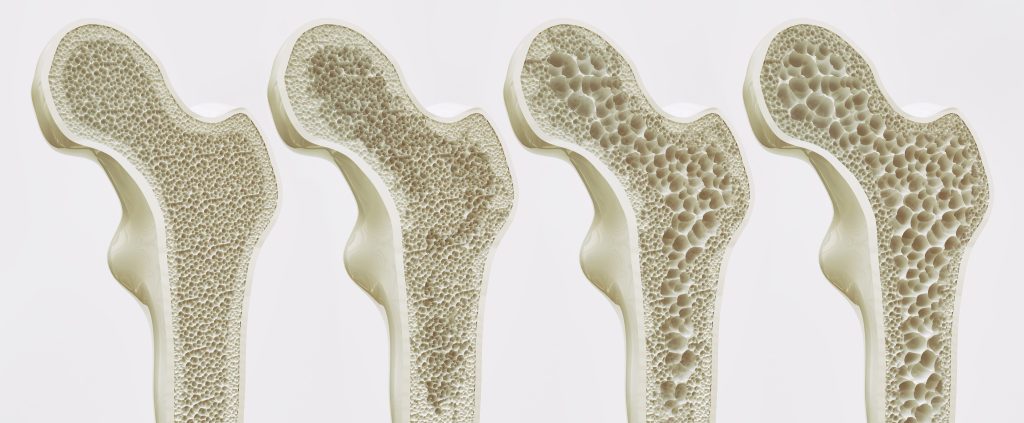
Think about that for a moment.
You are being told to celebrate weight loss while potentially losing some of the very tissue that protects you from injury and maintains mobility as you age. Your skeleton is not a cosmetic accessory. It is your body’s structural framework.
Once significant bone density is lost, recovery is often slow and difficult. Ask anyone who has battled osteopenia or osteoporosis whether rebuilding bone is as easy as losing it.
Another study examining semaglutide found increased markers of bone breakdown along with reductions in bone mineral density. In simple terms, researchers observed signs that the body was breaking down bone tissue during treatment.
The average consumer hears “lost 40 pounds.”
They rarely hear:
How much muscle was lost?
How much strength was lost?
How much bone density was lost?
Health should never be judged solely by pounds lost. It should be judged by what remains.
Muscle Loss Is Not a Victory
The same concern applies to muscle mass.
Research has shown that a meaningful percentage of weight lost during GLP-1 treatment can come from lean tissue, including muscle. While many people focus on becoming lighter, muscle is one of the most important tissues in the human body.
Muscle supports metabolism, balance, strength, athletic performance, insulin sensitivity, and long-term independence as we age.
When people lose weight through proper nutrition and resistance training, the goal is to preserve or even build muscle while reducing body fat.
When weight loss occurs primarily because appetite has been suppressed, the outcome is often less predictable.
The Problem With Shortcuts
GLP-1 medications can suppress hunger, but they do not teach nutritional discipline.
They do not teach portion control.
They do not teach meal preparation.
They do not teach consistency.
They do not teach someone how to maintain a healthy body once the medication is gone.
That is one reason many individuals struggle with weight regain after discontinuing treatment. The medication may have masked appetite, but it did not necessarily change habits. And, as mentioned above, the effects to the potential bone and cartilage depreciation needs to be considered.
The Better Long-Term Solution
At this point, if you have read this far you know my stance on GLP-1’s…I’m kind’ve against them; and it is not just because I own a gym and would love to see people working out in it. The real passion behind the stance against GLP-1’s comes from the desire to help drive results for people that actually last. Those are built from the following fundamentals…
Eat high-quality protein.
Consume whole, minimally processed foods.
Strength train consistently.
Perform regular cardiovascular exercise.
Sleep adequately.
These habits do not produce overnight transformations, and this is largely why mainstream media pushes the “magic pills” a little more. The truth is, they create something far more valuable than rapid weight loss.
They build stronger muscles.
They support healthier bones.
They improve cardiovascular health.
They increase confidence and physical capability.
Most importantly, they create results that do not depend on a weekly injection.
The healthiest body is not necessarily the lightest body. The healthiest body is the one that is strong, resilient, capable, and built to thrive for decades. Diet and exercise have been accomplishing that long before GLP-1 drugs existed.
written by: Jonathan Atkinson